Essential Plumbing Services: Why You Need a Expert Today
In any home, plumbing problems can happen without notice, causing major disruptions. Difficulties involving stopped-up drains or dripping pipes typically need more than do-it-yourself remedies. Consulting a qualified plumber not only tackles pressing concerns but also builds the foundation for routine maintenance. Learning about the important services obtainable can provide homeowners to decide effectively. The concern persists: what are the vital plumbing requirements that every homeowner should understand?
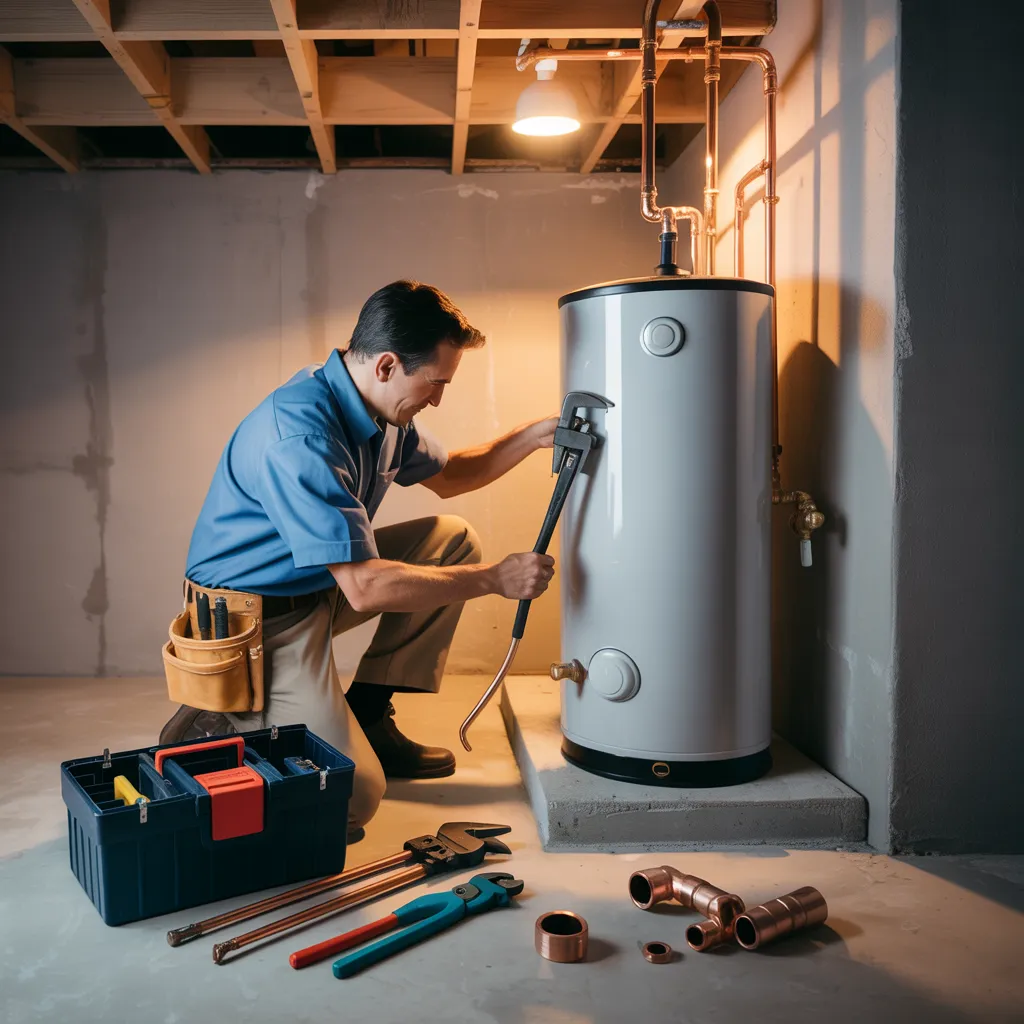
Primary Plumbing Issues and How to Resolve Them
If property owners come across plumbing issues, they often deal with common problems that demand prompt attention. Clogged drains are one of the most frequent concerns, often caused by the accumulation of grease, hair, and debris.
Homeowners could temporarily alleviate this by applying a plunger or a drain snake, but persistent clogs typically call for professional assistance.
Leaking faucets are another prevalent issue, generating water waste and increased utility bills. A simple replacement of washers or O-rings can often solve this problem.
Moreover, continuously running toilets can waste considerable water, typically due to a broken flapper or fill valve. House owners may seek to fix this by fine-tuning or swapping parts on their own.
To summarize, burst pipes, commonly originating from freezing temperatures, necessitate immediate professional intervention to circumvent extensive water damage.
Recognizing these prevalent plumbing issues enables homeowners to obtain timely solutions and maintain their home's plumbing system successfully.
Regular Upkeep Relevance
Standard work is imperative for keeping the service life and optimization of a home's plumbing system. Periodic inspections can identify hidden problems before they escalate, preventing homeowners from costly repairs.
Simple jobs, such as detecting leaks, cleaning faucets, and assessing water heaters, can markedly improve system performance. Additionally, periodic maintenance helps to maintain water condition, as sediment buildup in pipes can lead to contamination.
Homeowners ought to also think about booking professional drain cleaning to avoid clogs. By committing to routine maintenance, homeowners not only ensure their plumbing functions properly but also increase the total worth of their property.
Taking a proactive approach toward pipe care ultimately creates a anxiety-free living environment.
Always-Available Pipe Repair Support
Tackling a plumbing emergency can be burdensome for any homeowner, making it essential to grasp crucial services that can render speedy help.
Emergency plumbing assistance presents fast-acting crews ready 24/7, ready to manage difficulties including fractured pipes, severe leaks, or overflowing toilets. These seasoned professionals can quickly assess the situation and deploy temporary fixes to prevent further damage.
Additionally, offerings often include drain maintenance, water heater repairs, and sewer backups. Homeowners should also understand the importance of shutting off the main water supply in critical situations.
At last, having access to emergency plumbing help not only lowers damage but also ensures peace of mind during troubling times. Being prepared in these cases can save both time and money.
How to Solve Common Plumbing Issues
Pipe problems can interrupt daily life, but many typical problems have simple fixes. A clogged pipe can often be resolved with a plunger or a combination of baking soda and vinegar. This method helps dissolve buildup without harsh chemicals.
Leaky faucets, another frequent complaint, may only need a replacement washer; turning off the water supply and unscrewing the faucet allows for easy entry to the inner workings.
To tackle running toilets, adjusting the float or replacing the flapper can bring back normal function. For weak water pressure, checking for clogs in aerators or showerheads is an effective first measure.
In conclusion, homeowners can typically address minor pipe leaks with epoxy putty or tape as a temporary solution. These straightforward approaches empower people the capacity to tackle routine plumbing issues effectively, promoting a sense of learn here self-sufficiency. However, stubborn problems may require more thorough investigation.
When should you contact a expert pipe specialist?
When should a person determine the right time to reach out to a qualified plumbing professional? Noticing key indicators can assist homeowners in choosing correctly.
Continuous leaks that do not respond to temporary fixes demonstrate a more serious underlying issue. Blocked drains that resist standard cleaning efforts may call for professional help to prevent extensive damage.
Additionally, if a homeowner identifies insufficient water pressure or stained water, these may indicate plumbing problems that should not be dismissed.
Complex issues such as sewer line clogs or significant water destruction require urgent professional assistance to reduce risks.
Property owners should also look at the age and condition of their plumbing systems; outdated or worn pipes often result in substantial expenses if not addressed timely.
Ultimately, when in doubt, speaking with a licensed plumber can reduce time, money, and further complications.
How Preventative Maintenance Saves You Money and Inconvenience
Investing in preventive care can significantly decrease the probability of costly repairs and inconvenient emergencies. Routine checks and upkeep of plumbing systems can identify minor issues before they escalate into significant issues. For example, tiny drips, deteriorated piping, or blocked drains can be handled quickly, protecting homeowners from expensive repair bills in the future.
Furthermore, effective preventative measures boost the general efficiency of plumbing systems. By ensuring that pipes and fixtures are in optimal shape, homeowners can prevent the extra expenses associated with higher water bills due to leaks or inefficiencies.
Furthermore, preventative care helps maintain property value. A well-kept plumbing system is attractive to potential buyers and can prevent future disputes or negotiations related to repairs.
In the end, spending on preventive upkeep not only shields your finances but also delivers peace of mind, making it a sensible option for homeowners trying to avoid complications.
Why Consistent Plumbing Assessments Counts
Routine plumbing check-ups serve a vital purpose in maintaining a home's infrastructure. These evaluations enable professionals to identify potential issues before they escalate into expensive repairs. By addressing problems such as leaks, clogs, or old pipes early, homeowners can avoid extensive deterioration to their property and assure a safe living environment.
Moreover, periodic evaluations boost the overall functionality of plumbing systems. They can detect inefficiencies that generate increased water bills, helping homeowners to make necessary adjustments.
Ongoing care also extends the service life of plumbing systems and appliances, promoting sustained economic benefits.
Additionally, a properly serviced plumbing system boosts home value, making it more appealing to potential buyers.
In the end, making plumbing check-ups a priority is vital for preserving a home's functionality and integrity, delivering peace of mind to homeowners fearful of unforeseen plumbing emergencies.
Initial Assessment Process
When a drain service call is initiated, the technician arrives prepared to assess the situation deliberately. The approach begins with a complete inspection of the premises, often starting with a exchange about the stated difficulties.
The technician then inspects visible plumbing components, including pipes, fixtures, and appliances, checking for evidence of deterioration or defects. They may also utilize diagnostic tools to identify underlying problems that are not immediately apparent.
During this initial inspection, the technician gathers written details and records images to log results. This extensive assessment allows an valid assessment and lays the groundwork for any necessary repairs.
Ultimately, this thorough method assures that no aspect of the plumbing infrastructure is ignored, advancing effective solutions.
Service Completion Overview
Once pinpointing and managing common plumbing issues, the technician will proceed with the service completion process.
This step includes a detailed review of the work performed to guarantee quality and observance with safety standards. The technician will explain the repairs made and any preventative measures homeowners can take to avoid later complications.
A detailed invoice will be presented, showing the services rendered and associated costs. Payment options will be reviewed, allowing clients to select a method that suits them best.
In conclusion, the technician will clean the work area, leaving it tidy and confirming that all devices and resources are removed.
Happy clients will receive a phone call or email follow-up to verify everything is operating properly after the service.
Popular Questions That Are Frequently Asked
How Can I Select the Perfect Plumber for My Needs?
To determine the right plumber, one should review qualifications, examine ratings, compare bids, and confirm correct licensing and coverage. Personal recommendations can also furnish valuable insights into reliability and caliber of work.
What Certifications Are Necessary for a Accomplished Plumber?
A qualified plumber should have appropriate credentials, comprehensive instruction, and expertise in plumbing systems. They should also be insured and licensed, showing their compliance with industry regulations and guaranteeing excellent service for various plumbing needs.
Are Urgent Plumbing Services Offered 24/7?
Emergency plumbing services are really accessible 24/7. Professionals in the trade highlight fast action to urgent situations, making certain that clients attain immediate assistance whenever plumbing situations develop, regardless of the hour or day.
How Might I Avoid Pipe Problems in Older Homes?
Preventing plumbing issues in older homes requires frequent inspections, consistent upkeep, and timely repairs. Modernizing outdated fixtures and ensuring proper drainage can also substantially reduce the risk of future plumbing difficulties.
What plumbing equipment must I keep at Home?
A property owner needs to possess necessary plumbing tools, such as a plunging tool, pipe-turning wrench, variable wrench, sink wrench, measuring tape, and a collection of screwdrivers. These implements offer a fundamental base for addressing minor plumbing issues effectively.